
Roof education

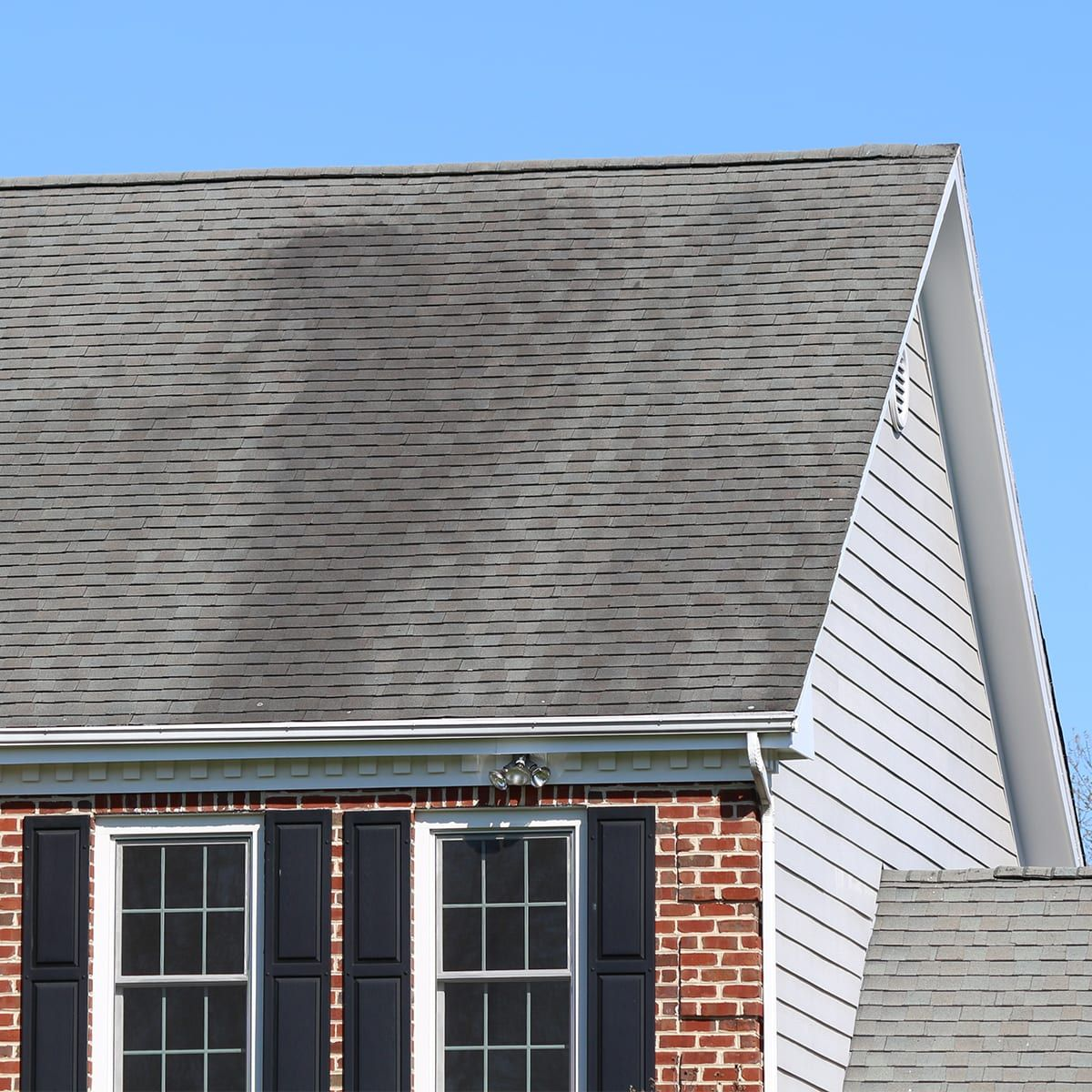
Those black streaks on your roof are alive.

They are not dirt. They are not soot. They are a living blue-green algae called gloeocapsa magma, and South Mississippi is where it thrives. Warm air, salt humidity, and afternoon storms feed it everything it needs to take hold, spread, and cut years off your roof.

What it is

A bacteria that eats your shingles.

Gloeocapsa magma is a hardy cyanobacteria. It feeds on the limestone filler manufacturers mix into asphalt shingles, and it protects itself with a dark, UV-resistant outer sheath. That sheath is what you see from the street: long black streaks running down the slope of the roof, almost always heaviest on the north-facing side where the sun dries things last.

Once it takes hold, it spreads. Spores travel by wind and by birds from one roof to the next, which is why entire neighborhoods on the Coast end up with the same staining within a few years of each other.

Why it matters

It is not just ugly. It is expensive.

  • It holds moisture. The algae mat traps rain and dew against the shingle surface, accelerating granule loss and rot in the decking below.
  • It raises your power bill. Dark streaks absorb heat. A streaked roof can run noticeably hotter than a clean one, and your attic and AC pay the difference.
  • It shortens roof life. Most shingle manufacturers, including GAF and Owens Corning, warn that untreated algae can take years off a roof and can void portions of the warranty.
  • It hurts resale. A buyer's inspector sees black streaks and writes "roof needs replacement." A clean roof keeps the conversation honest.

Warning

Pressure washing a roof makes it worse.

We see it every season. A homeowner or a low-bid contractor takes a pressure washer to the shingles, blasts off the visible streaks, and leaves the roof looking clean for a few weeks. What actually happened: the high pressure stripped the protective granules, drove water under the shingles, and left the algae's roots intact. The streaks come back faster and darker, and the roof is now years closer to a tear-off.

The Asphalt Roofing Manufacturers Association (ARMA) is explicit about this: the only safe way to clean an asphalt roof is a low-pressure, chemistry-first soft wash.

How we treat it

A manufacturer-approved soft wash, done from a ladder.

Our roof process follows the ARMA standard. We apply a measured solution that kills the algae at the cellular level, then rinse at low pressure so your shingles, gutters, and landscaping are protected from start to finish.

  1. 01

    Inspect and protect

    We check shingle condition and flashing, cover plantings and AC units, and pre-wet anything that needs it.

  2. 02

    Apply the soft wash

    A controlled, manufacturer-approved blend is applied at low pressure. The algae starts dying on contact.

  3. 03

    Dwell and rinse

    The solution dwells long enough to penetrate the algae mat, then we rinse gently. No walking the field of the roof.

  4. 04

    Walk the job with you

    Before we leave, we walk the property together. The streaks are gone, the gutters are flushed, and the landscaping is intact.

What to expect

Honest answers to the questions homeowners ask.

Will the streaks come back?
Eventually, yes. Gloeocapsa magma is everywhere in the Coast air. A proper soft wash usually buys four to six years before the staining is visible again, and a light maintenance treatment can extend that further.
Is it safe for my plants and pets?
Yes. We pre-wet landscaping, cover sensitive plants, and hand-rinse after the work is done. Pets stay inside during the application.
Does it work on metal or tile roofs?
Yes. The chemistry is the same, the rinse approach changes slightly based on the material. We will tell you what we are doing and why before we start.
How much does it cost?
Most single-story Coast homes fall in the $399 to $699 range. Two-story homes, steep pitches, and heavy staining run higher. You will get a written quote before we book the work.

See the streaks? We can read them.

Send a photo of your roof. We will tell you what we see.

Most Coast roofs we treat look like a different house by the end of the afternoon.

CallTextEstimate